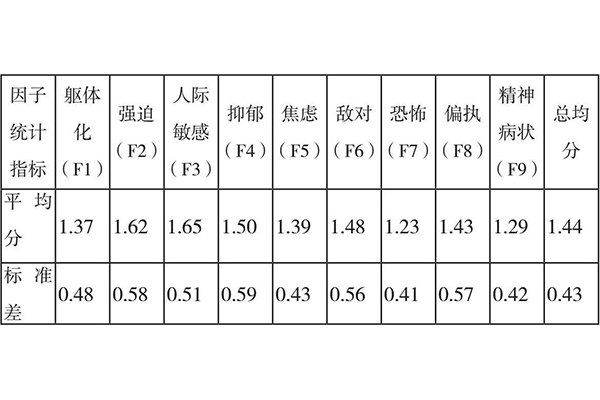
Interpreting the results of the SCL-90 symptom self-rating scale requires expertise in psychological assessment. However, I can provide a general overview of how the results can be interpreted in English:
1. Global Severity Index (GSI): The GSI is an overall measure of the individual's psychological distress and symptom severity. A higher GSI score indicates a higher level of overall distress and suggests a need for further evaluation and possible intervention.
2. Symptom Dimensions: The SCL-90 assesses nine symptom dimensions, including anxiety, depression, hostility, obsessiveness, interpersonal sensitivity, phobic anxiety, paranoid ideation, somatization, and psychoticism. The scores for each dimension indicate the severity of symptoms within those specific areas.
3. Normative Comparison: The SCL-90 provides percentile ranks and T-scores to compare an individual's scores with a reference group. Higher percentile ranks or T-scores suggest a greater level of distress compared to the norm, while lower scores indicate fewer symptoms or distress.